University of East London, within the Institute of Hospitality and TourismUneasy bedfellows: overtourism and right-wing populism

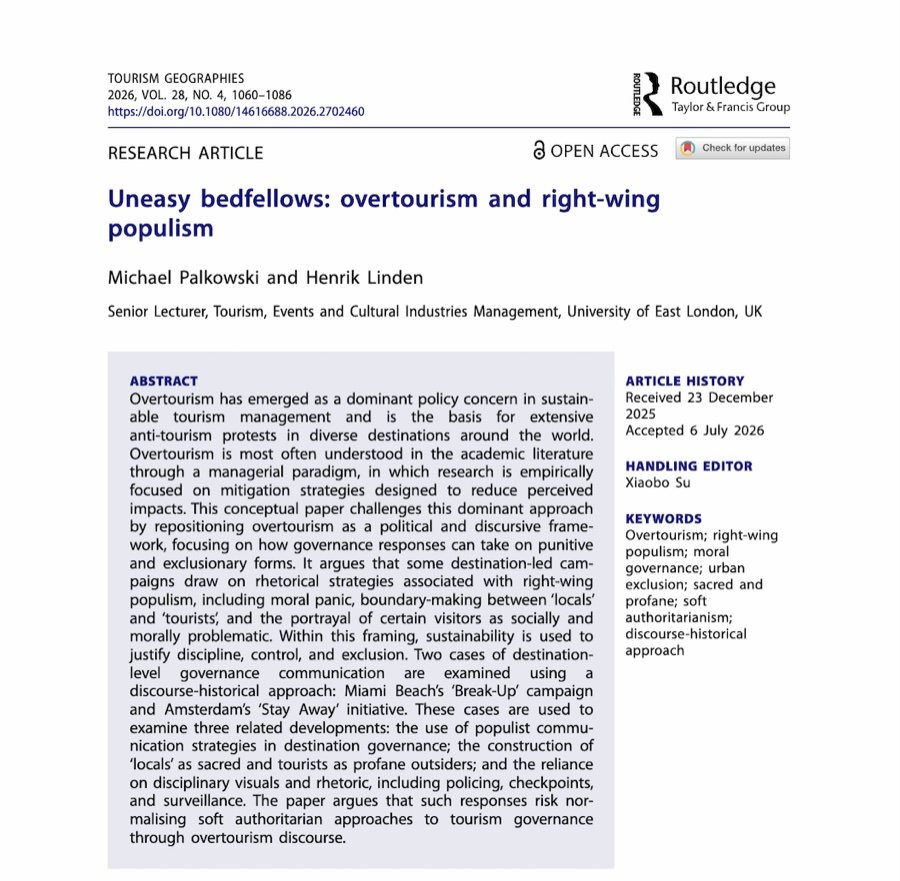
Palkowski, M. & Linden, H. (2026). Tourism Geographies, 28(4), 1060–1086.
I am a Senior Lecturer and Programme Leader at the University of East London, within the Institute of Hospitality and Tourism, where I lead the BA (Hons) Tourism Management.
My research sits within critical hospitality and tourism studies. Recent work appears in Tourism Geographies and Hospitality & Society, alongside a co-authored textbook with Kogan Page and a monograph in preparation for Sage. I supervise and examine doctoral research, and I am a Certified External Examiner (Advance HE).
Palkowski, M. & Linden, H. (2026). Tourism Geographies, 28(4), 1060–1086.
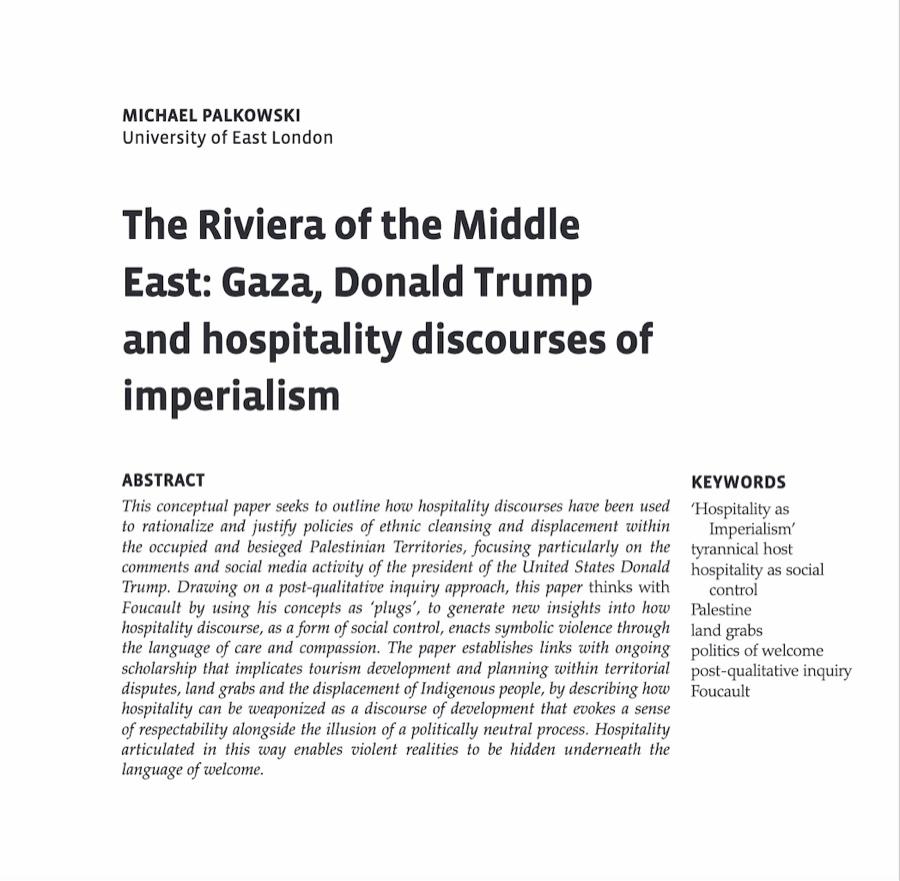
Palkowski, M. (2026). Hospitality & Society, 16(2), 201–227.
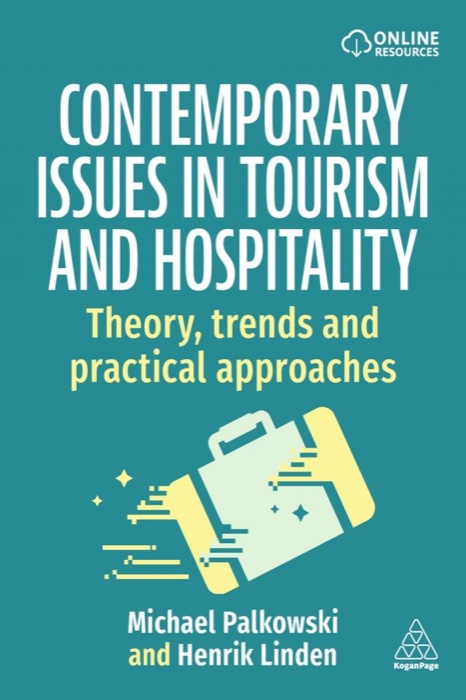
Theory, Trends and Practical Approaches
Written for undergraduate and postgraduate students of tourism and hospitality management, the book sets out the global forces reshaping both industries and connects critical theory to the realities of a fast-moving sector. It works through hospitality theory and the host–guest relationship, tourist motivation and the experience economy, the politics and ethics of development, digital disruption and generative AI, and the cultural economies of film tourism and fandom — with worked examples, learning outcomes, reflective questions and seminar tasks throughout.
Books, journal articles, chapters, proceedings and reviews.
Palkowski, M. & Linden, H. (2026). Tourism Geographies, 28(4), 1060–1086.
Palkowski, M. (2026). Hospitality & Society, 16(2), 201–227.
Palkowski, M. London: Sage.
Palkowski, M. and Linden, H. London: Kogan Page. December 2026. — Kogan Page
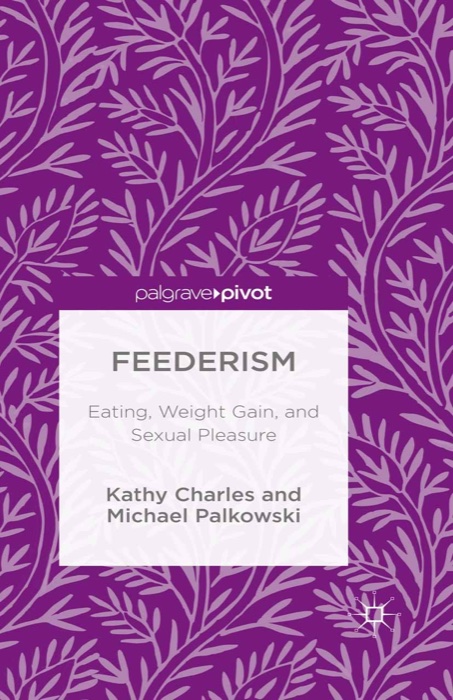
Feederism, a sexual interest in weight gain, has been sensationalised by the media and pathologised by researchers, yet almost nothing is known about those who practise it and how they understand their own desires. This book offers the first comprehensive review of the academic literature on feederism, situating it within fat studies, the sociology of the body, and the psychology of paraphilia, before presenting original findings from interviews with 23 feeders, feedees, and mutual gainers alongside an analysis of feederism fiction.
The findings challenge the two dominant framings of feederism: the pathology narrative in psychology and the patriarchal coercion narrative in sociology. Participants describe consensual, dynamic relationships and lifelong fascinations with fatness that resist reduction to trauma, deviance, or male dominance. The book closes by drawing out practical implications for health professionals, particularly in bariatric care, arguing for a shift in clinical focus from weight loss to physical health, and by setting an agenda for future research demanding greater methodological and participant diversity.
Overtourism has emerged as a dominant policy concern in sustainable tourism management and is the basis for extensive anti-tourism protests in diverse destinations around the world. Overtourism is most often understood in the academic literature through a managerial paradigm, in which research is empirically focused on mitigation strategies designed to reduce perceived impacts. This conceptual paper challenges this dominant approach by repositioning overtourism as a political and discursive framework, focusing on how governance responses can take on punitive and exclusionary forms. It argues that some destination-led campaigns draw on rhetorical strategies associated with right-wing populism, including moral panic, boundary-making between 'locals' and 'tourists', and the portrayal of certain visitors as socially and morally problematic. Within this framing, sustainability is used to justify discipline, control, and exclusion. Two cases of destination-level governance communication are examined using a discourse-historical approach: Miami Beach's 'Break-Up' campaign and Amsterdam's 'Stay Away' initiative. These cases are used to examine three related developments: the use of populist communication strategies in destination governance; the construction of 'locals' as sacred and tourists as profane outsiders; and the reliance on disciplinary visuals and rhetoric, including policing, checkpoints, and surveillance. The paper argues that such responses risk normalising soft authoritarian approaches to tourism governance through overtourism discourse.
This conceptual paper seeks to outline how hospitality discourses have been used to rationalize and justify policies of ethnic cleansing and displacement within the occupied and besieged Palestinian Territories, focusing particularly on the comments and social media activity of the president of the United States Donald Trump. Drawing on a post-qualitative inquiry approach, this paper thinks with Foucault by using his concepts as 'plugs', to generate new insights into how hospitality discourse, as a form of social control, enacts symbolic violence through the language of care and compassion. The paper establishes links with ongoing scholarship that implicates tourism development and planning within territorial disputes, land grabs and the displacement of Indigenous people, by describing how hospitality can be weaponized as a discourse of development that evokes a sense of respectability alongside the illusion of a politically neutral process. Hospitality articulated in this way enables violent realities to be hidden underneath the language of welcome.
Palkowski, M. and Hassan, R. In Artificial Intelligence in Cybersecurity: Unlocking the Power of Large Language Models. Boca Raton: CRC Press.
Ghanavat Pour, A. and Palkowski, M. In 2026 12th International Conference on Virtual Reality (ICVR), pp. 229–235. IEEE. — doi.org/10.1109/ICVR70658.2026.11672626
Linden, H., Linden, S. and Palkowski, M. In Abstract Book of the 6th International Conference on Tourism Management and Hospitality, Paris, 14 August 2025. Diamond Scientific Publishing. ISBN 978-609-485-709-6.
Charles, K. and Palkowski, M. International Journal of Psychology, 51, pp. 722–723. Presented at the 31st International Congress of Psychology, Yokohama.
Palkowski, M. The Sociological Review, 63(3), pp. 731–733.
Palkowski, M. PhD thesis, Edinburgh Napier University.
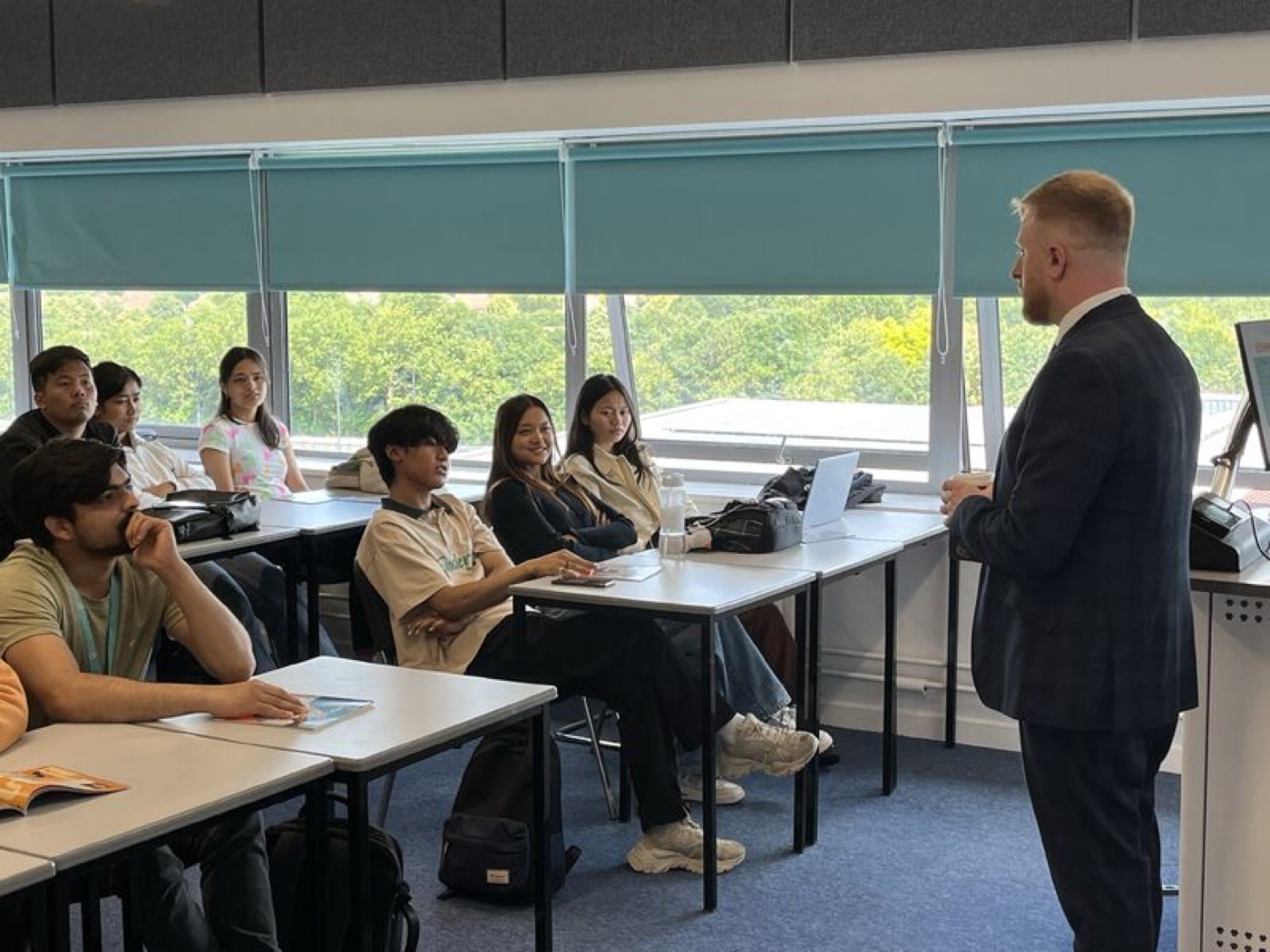
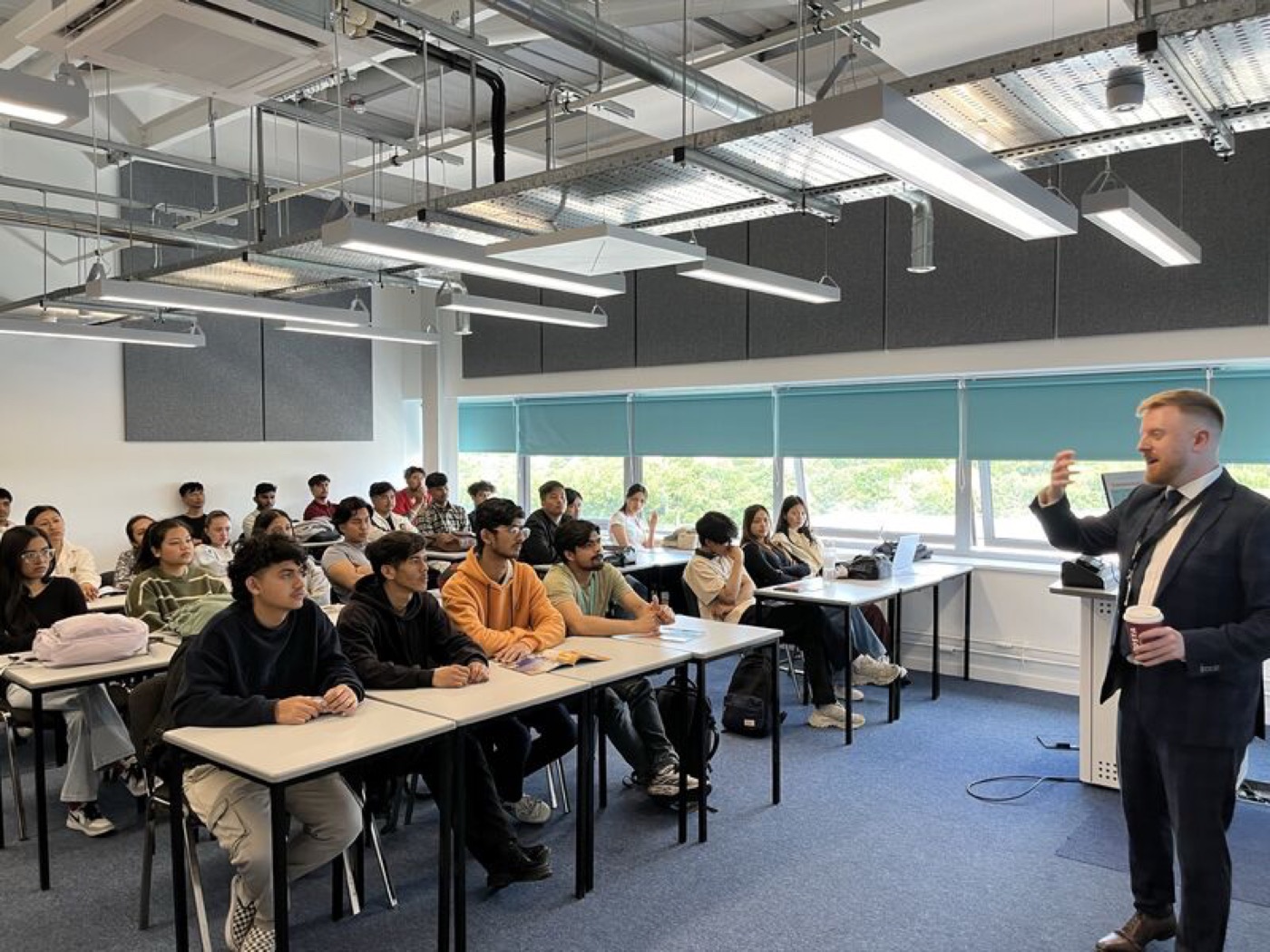
Twelve years across undergraduate and postgraduate tourism, hospitality and events provision.
Module leader, lecturer and primary assessor at the Institute of Hospitality and Tourism:
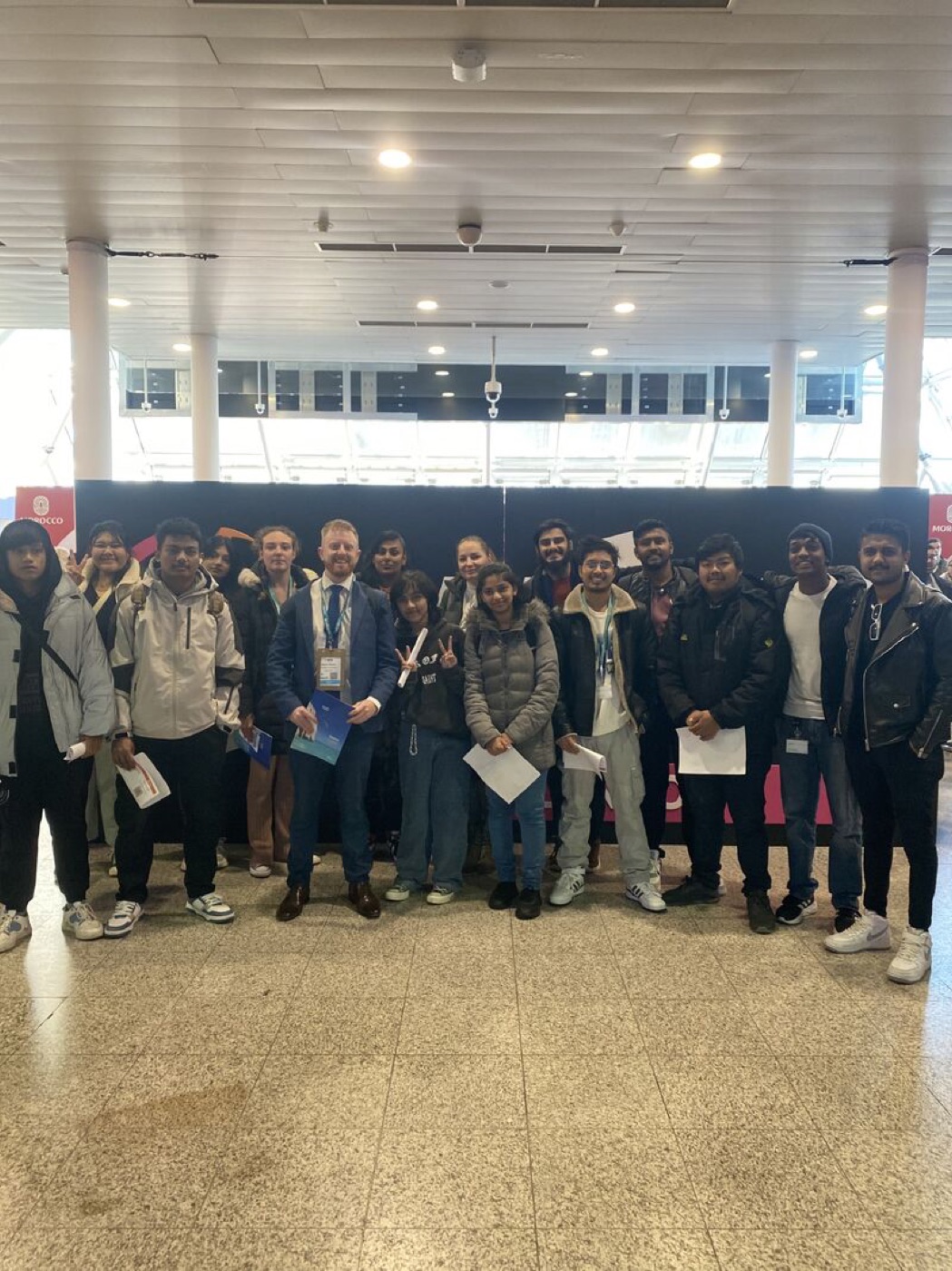
Guest lecturer for HR7021, delivered in partnership with Rheinische Fachhochschule Köln to MBA students.
More about the programmes I teach on: BA (Hons) Tourism Management and MSc Sustainable Tourism Development and Management.
University of East London, within the Institute of Hospitality and Tourism
Mont Rose College of Management and Sciences

Edinburgh Napier University
Edinburgh Napier UniversityKeynotes, panels, industry training and roundtables with the tourism and hospitality sector.
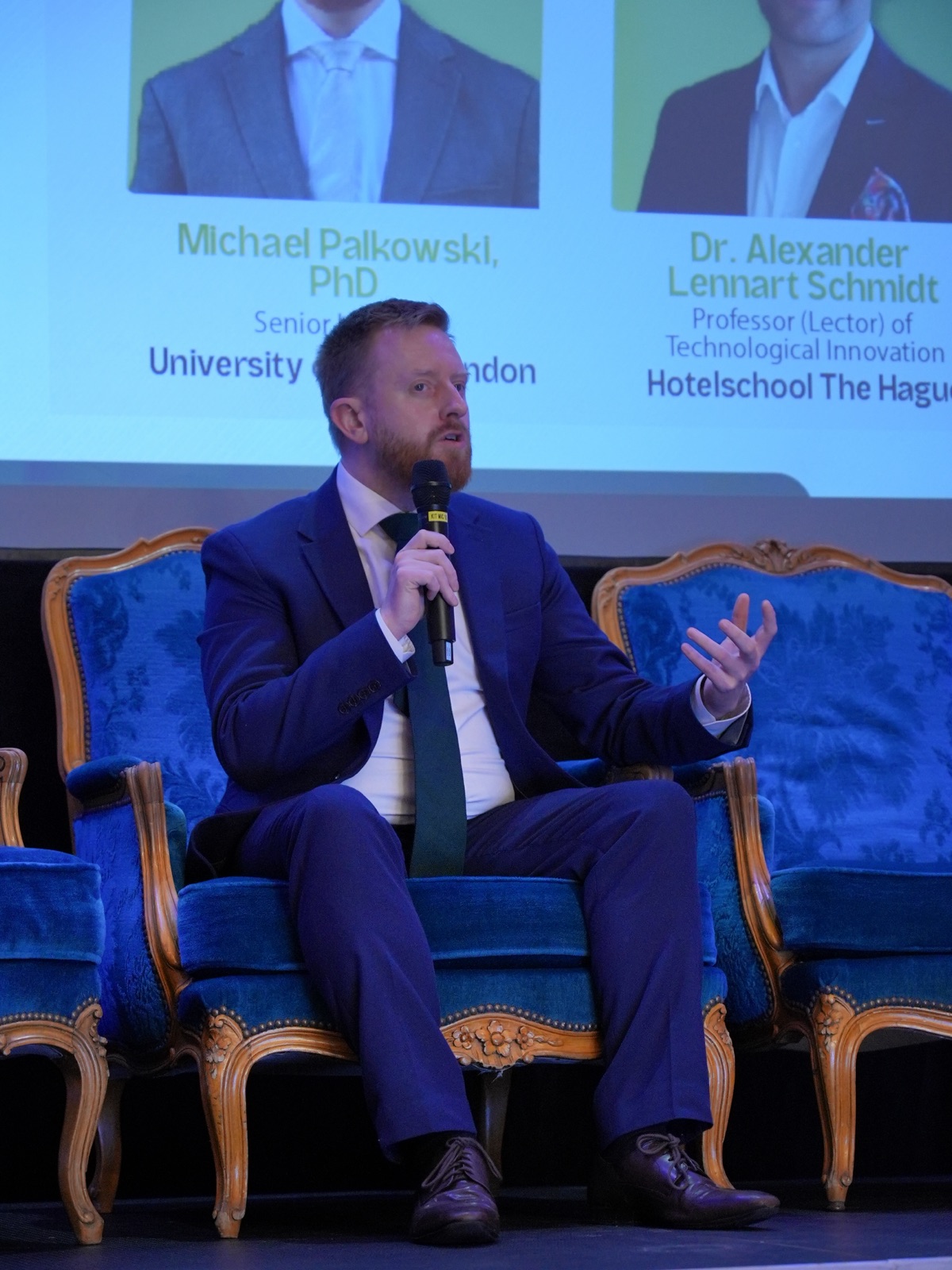
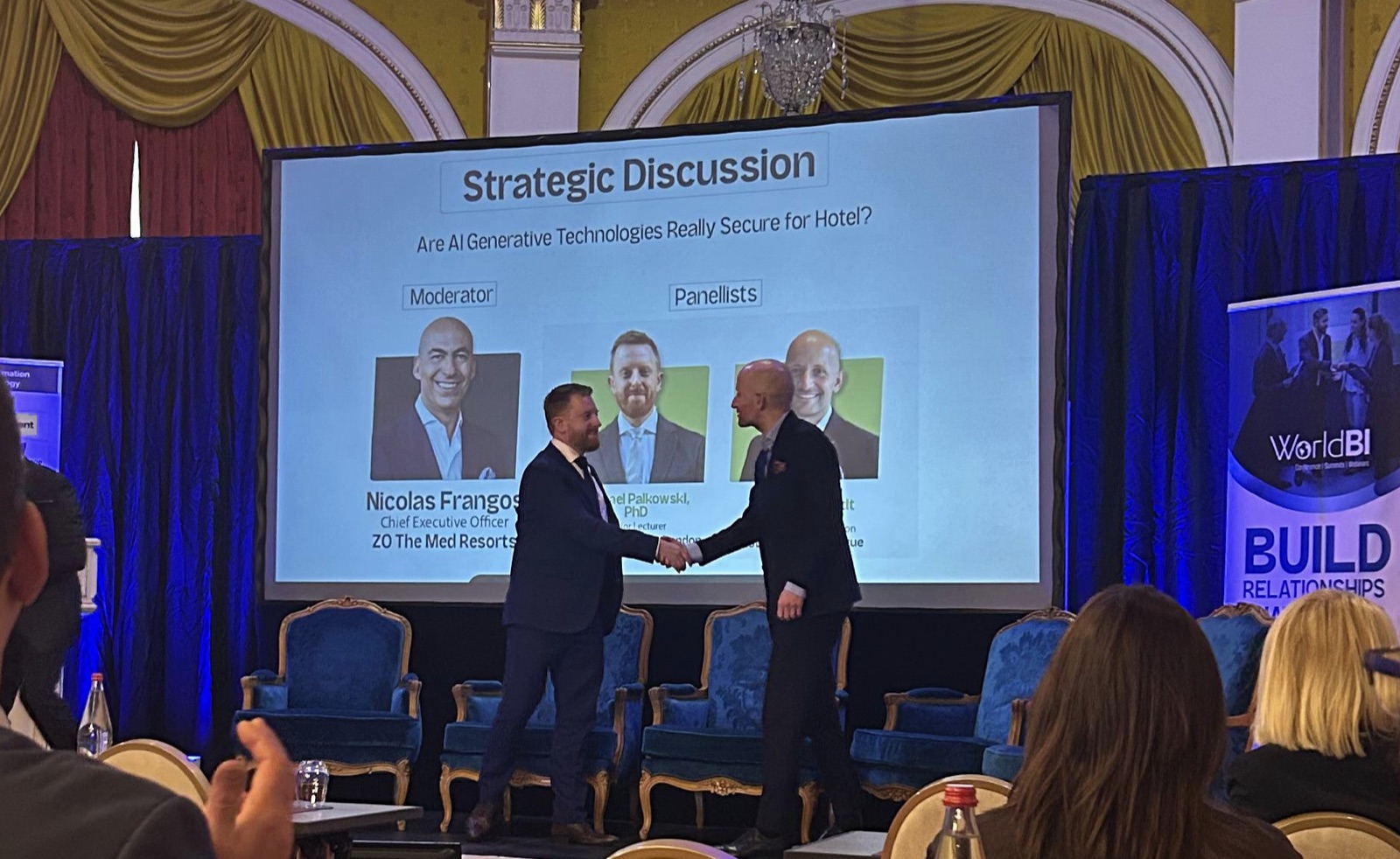
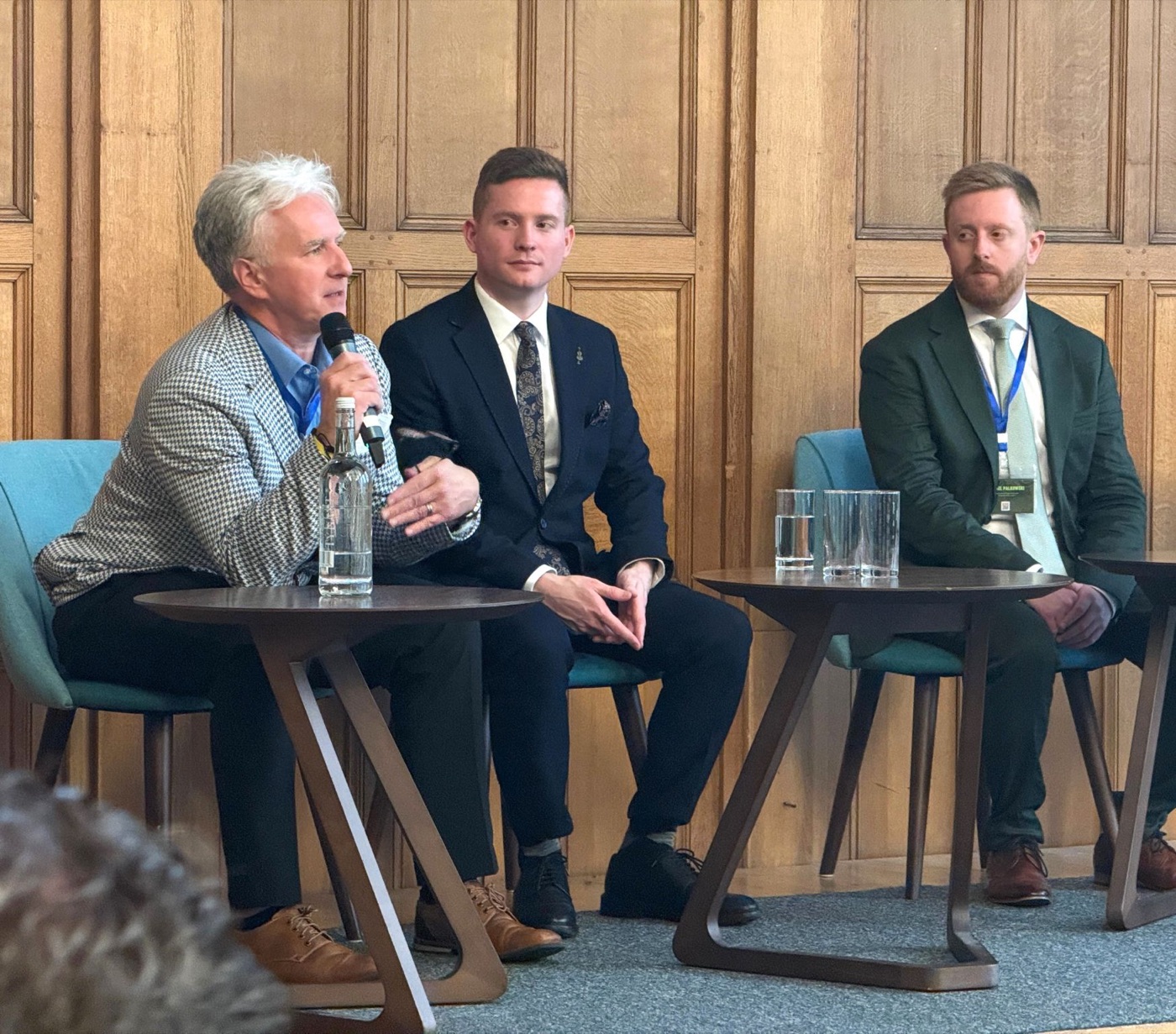
Panellist on "Are AI Generative Technologies Really Secure for Hotels?", a strategic discussion with Dr Alexander Lennart Schmidt of Hotelschool The Hague, moderated by Nicolas Frangos. The session worked through the practical realities of AI security in hotels — prompt injection, data leakage, and why basic guardrails no longer suffice as agentic and RAG-based systems spread — and argued for red teaming, adversarial testing and sandboxing as core training priorities. It also made the case against treating AI as a panacea: hospitality rests on the human touch, and generative tools belong only where they genuinely complement service rather than answering to organisational FOMO.
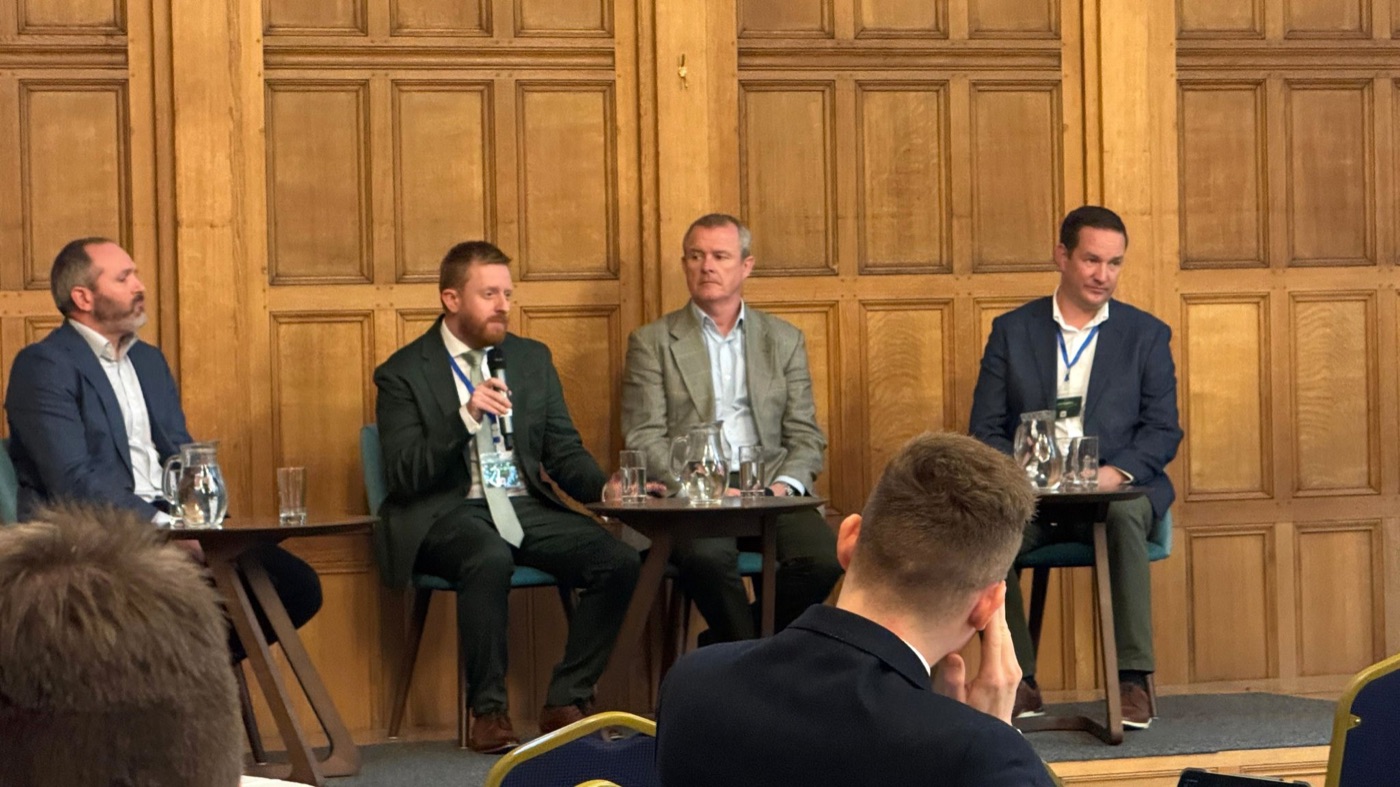
Panellist across both days of the fourth ACE Hotel Tech Summit — on "Circular Economy and Sustainable Strategies in the Hospitality Industry" and "New Era of Hotel Marketing: Integrating AI with Social Media Marketing for Hotels" — and Chairperson for the second day of the Global Hospitality Forum.
Joined training and customer experience leaders at a London roundtable hosted by MobieTrain, on how employee and customer experience are linked, how frontline teams in retail and hospitality are supported, and where technology helps rather than distracts — including the problem of "tech sprawl" across the dozens of applications many operators now run.
Trainer for PHOENIX 4.0, a European alliance co-funded by the EU that supports tourism SMEs with training, technology and collaboration towards a more resilient and sustainable sector. My contribution covers awareness campaigns for heritage and climate, and a training module introducing the regenerative paradigm — why moving beyond sustaining the status quo protects the long-term value and resilience of tourism businesses.
The challenge I brought to the alliance concerns the punitive and reactive character of public policy responses to overtourism, which tend to produce restrictive control of public space and an atmosphere of order and surveillance that works against the welcome visitors come for. Drawing on my research into urban hospitality, I argue that SMEs can help cities respond differently — co-creating socially sustainable experiences that support positive guest–host exchange and more hospitable, human-centred public space.
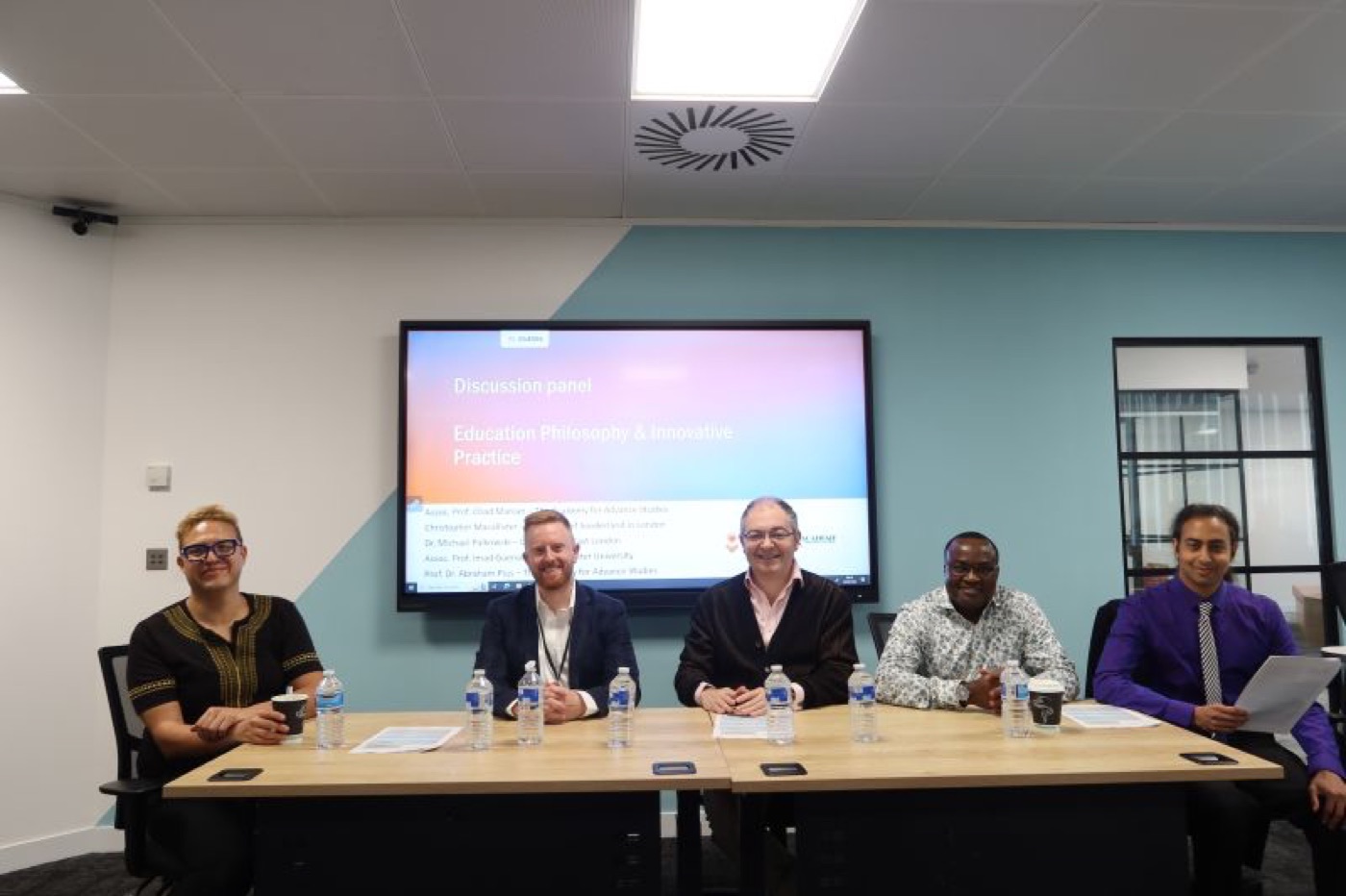
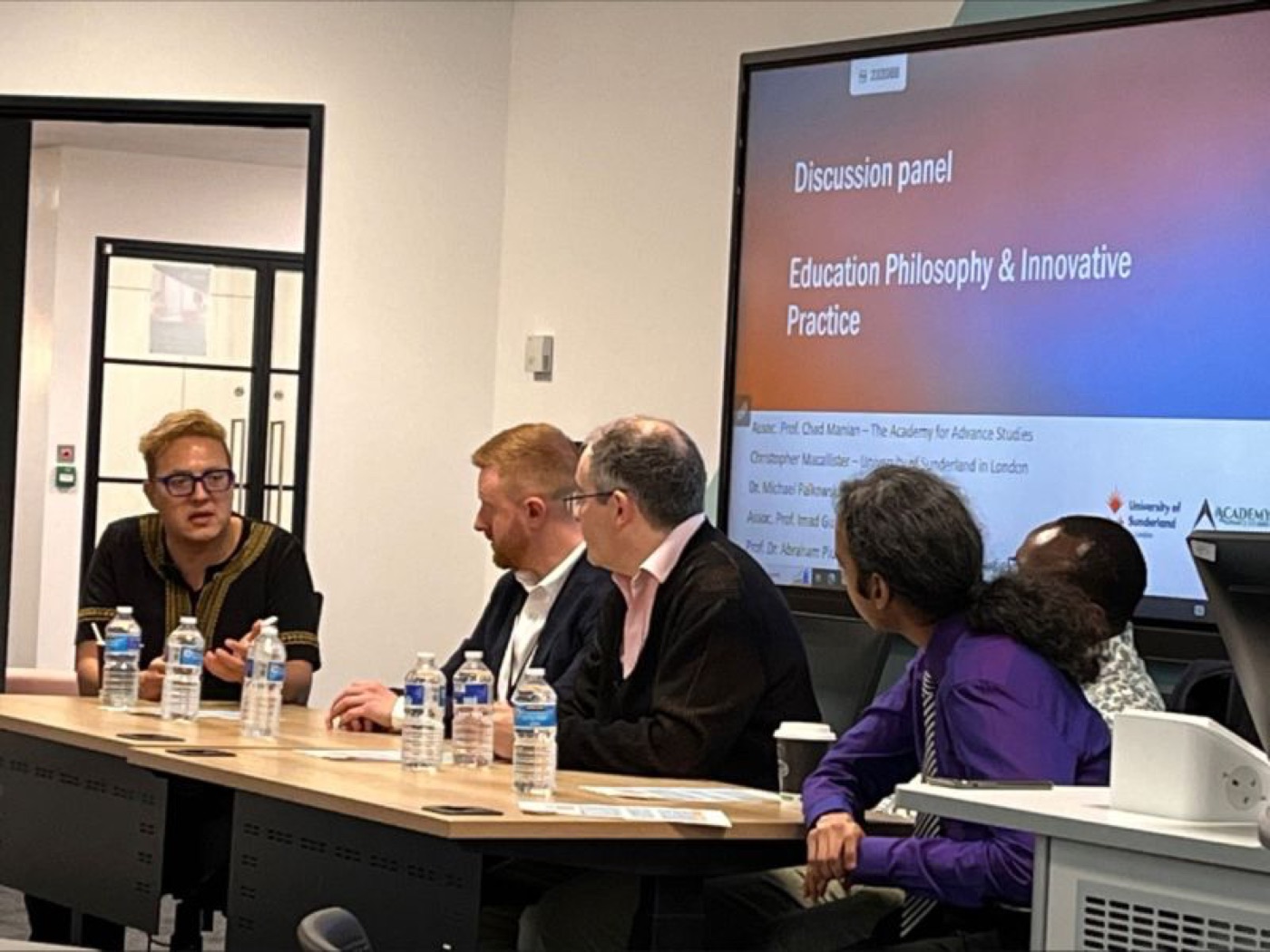
Panellist on the discussion panel examining educational philosophy and innovative practice, alongside colleagues from the University of Sunderland in London and the Academy for Advanced Studies.
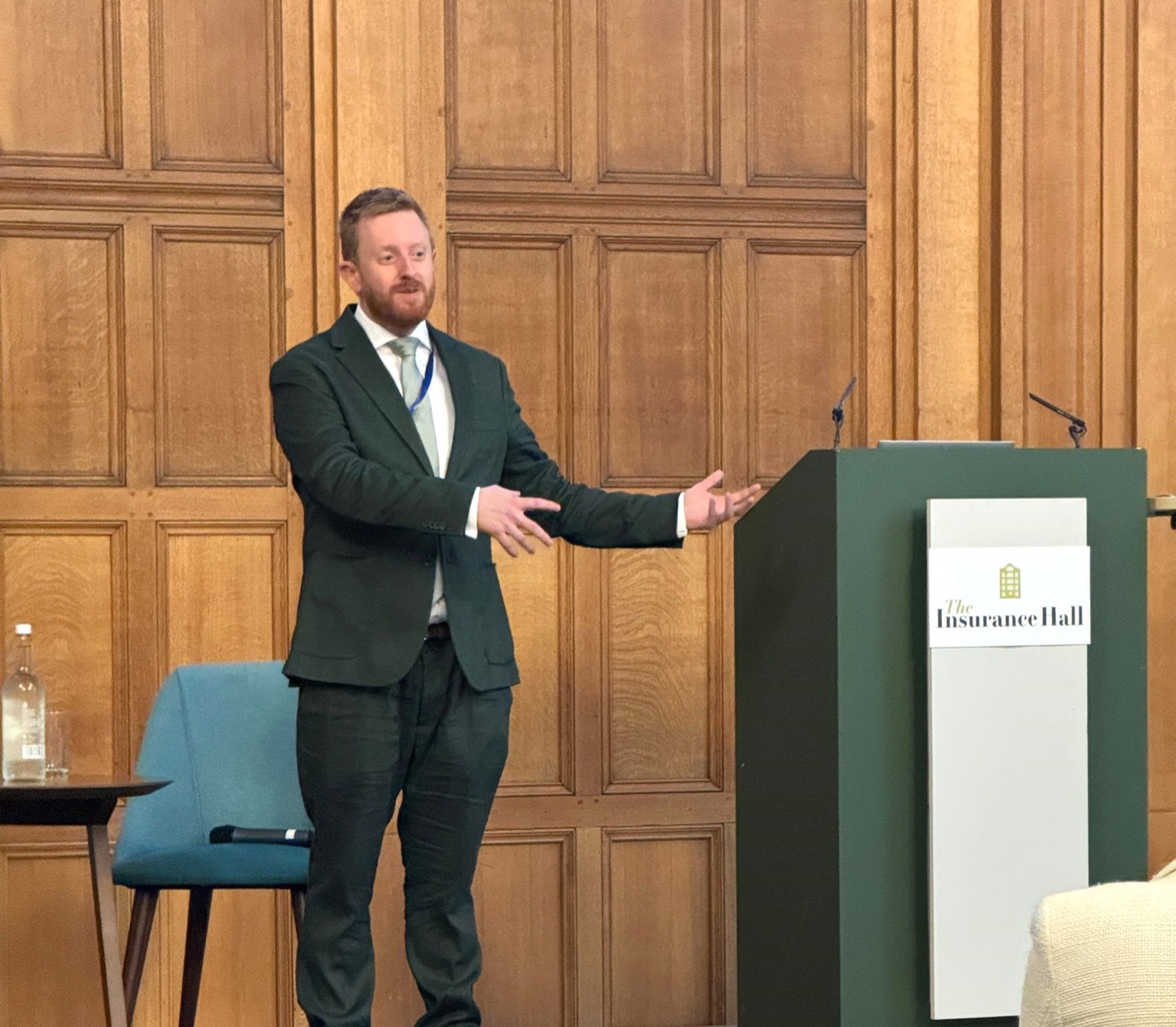
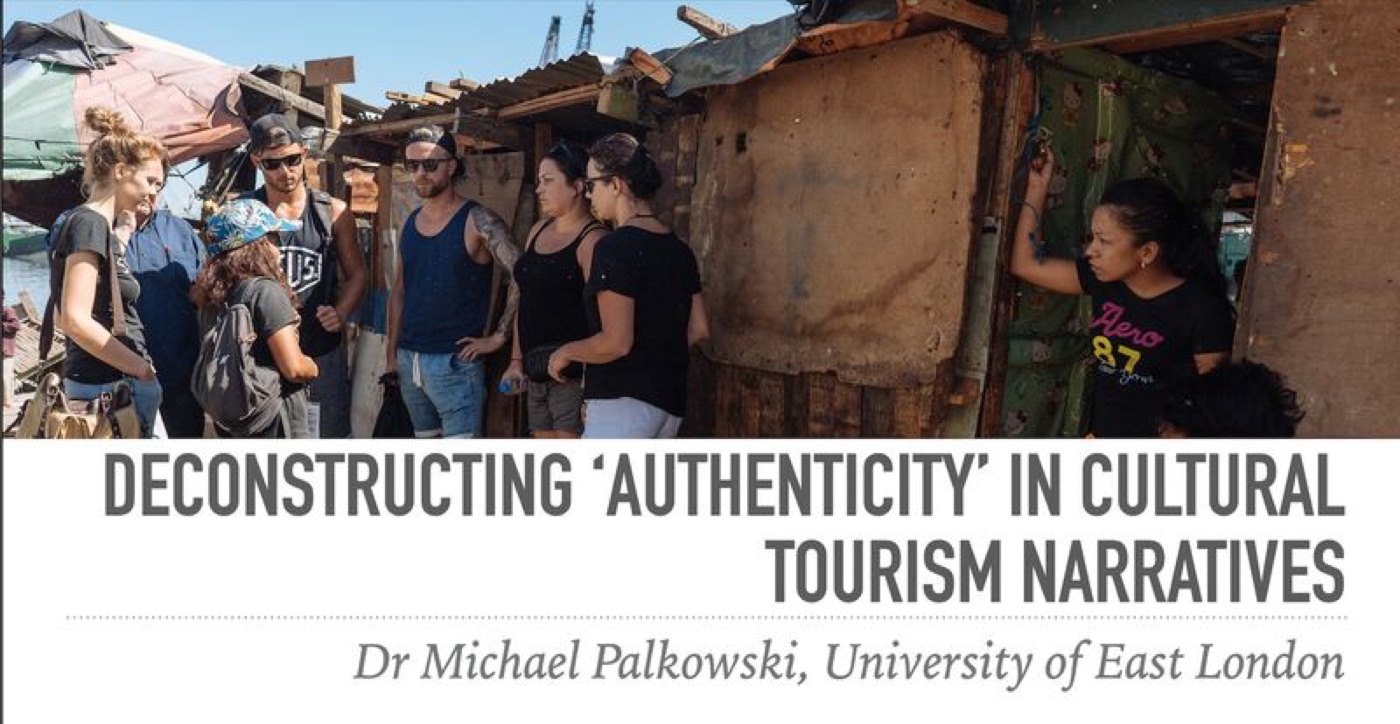
Keynote address on how claims to authenticity are constructed and contested in the stories destinations tell about themselves.
For research enquiries, doctoral supervision, external examining, speaking and media.